By Gaydos Law, P.C.
•
May 9, 2025
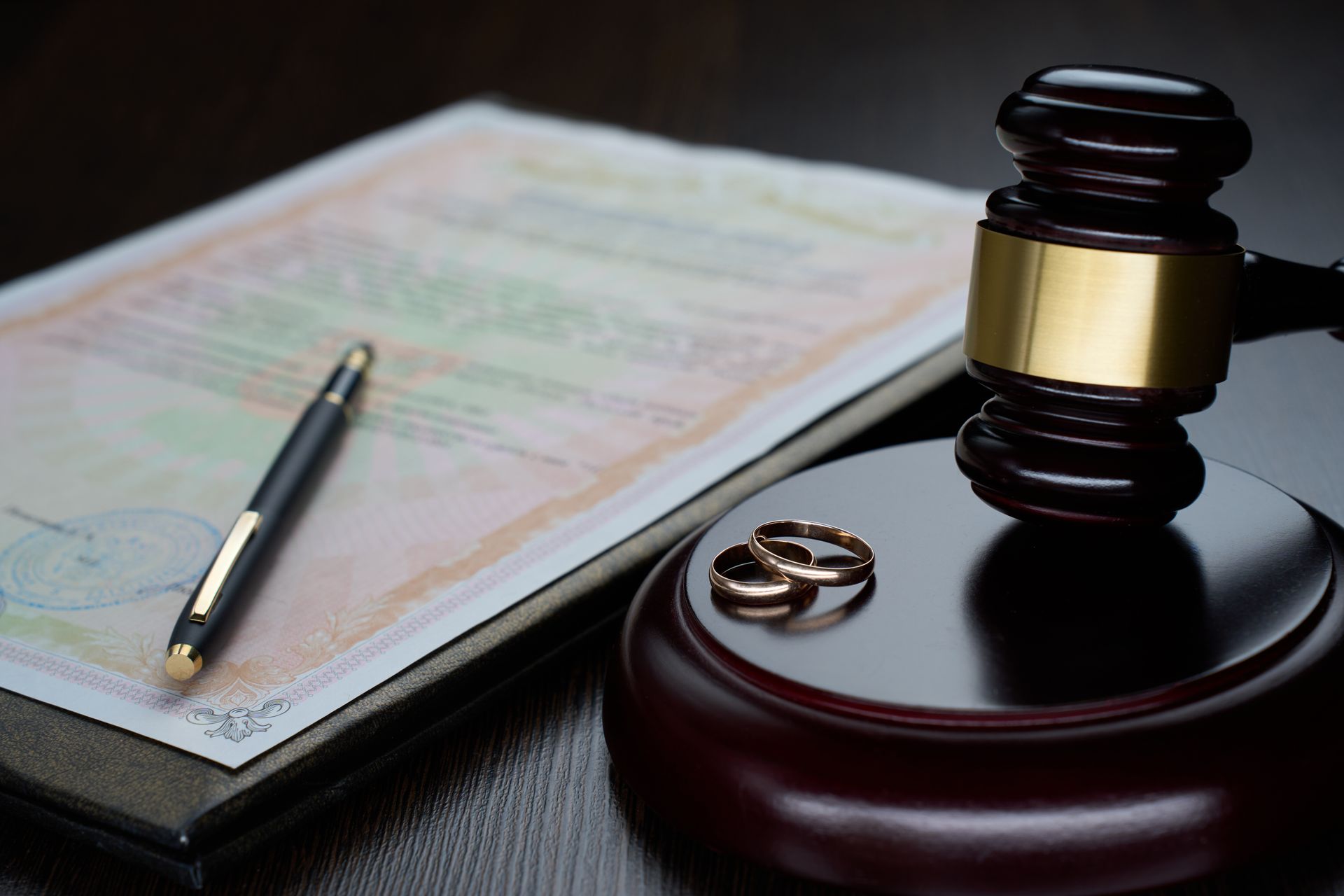
Going through a divorce is never easy. Whether the decision was mutual or one-sided, ending a marriage brings legal, financial, and emotional challenges. In Pennsylvania, the divorce process involves more than just filing paperwork. From dividing assets to determining custody and support, there are a number of steps and requirements that can affect the outcome of your case. This article is not legal advice. Divorce laws can be complex, and each situation is different. If you’re considering divorce in Allegheny County or the surrounding areas, the family law team at Gaydos Law can help you understand your rights and guide you through each step. Types of Divorce in Pennsylvania Pennsylvania recognizes several types of divorce, and which one applies to you depends on your situation. No-fault divorce is the most common route. It can be mutual, where both spouses agree the marriage is over, or unilateral, where one spouse wants the divorce and the other does not. In mutual consent cases, both parties sign affidavits confirming the relationship is irretrievably broken and the court can grant a divorce after a waiting period. In contested no-fault cases, one spouse can file for divorce after a one-year separation. You don’t need the other spouse’s permission, but you will need to prove that the marriage is beyond repair. Fault-based divorce is less common but still available. Grounds for fault include adultery, abandonment, cruelty, bigamy, or imprisonment. Fault divorces can affect property distribution in some cases, but they often involve more litigation and higher emotional stress. Property Division in Pennsylvania Divorces Pennsylvania uses an equitable distribution model, which means marital property is divided fairly but not always equally. Marital property includes most assets acquired during the marriage, such as income, homes, vehicles, retirement accounts, and debts. Separate property—like gifts or inheritances received by one spouse—may not be subject to division if kept separate. The court considers many factors when dividing property, including: The length of the marriage Each spouse’s income and earning potential Contributions to the household, including as a homemaker Standard of living established during the marriage Any prenuptial agreements Equitable does not always mean a fifty-fifty split. One spouse may receive a larger portion of the assets depending on their needs, contributions, or future financial outlook. If you and your spouse can agree on how to divide your property, you can avoid court involvement and settle things through a written agreement. This can reduce legal fees, stress, and delays. Gaydos Law helps clients negotiate and draft clear, enforceable property settlement agreements that reflect their priorities. Spousal Support and Alimony In some cases, one spouse may be required to provide financial support to the other. Pennsylvania recognizes several types of support: Spousal support may be available before the divorce is finalized, especially if one spouse earns significantly more than the other. Alimony pendente lite is temporary financial support meant to keep both parties on equal footing during the divorce process. Alimony after divorce may be awarded based on financial need and the ability of each spouse to support themselves. It’s not automatic and depends on several factors, such as age, health, work history, and the standard of living during the marriage. The court will decide the amount and duration of support if the parties can’t agree. In some cases, support can be modified or terminated if circumstances change. Child Custody and Support in Divorce Cases If you have children, the divorce process will also include decisions about custody and support. Pennsylvania courts prioritize the best interests of the child when making custody decisions. This includes evaluating each parent’s ability to provide a stable, loving environment, their involvement in the child’s life, and their willingness to cooperate with the other parent. There are two types of custody: legal and physical. Legal custody refers to decision-making authority, while physical custody refers to where the child lives. Both can be shared or awarded to one parent, depending on the circumstances. Child support is calculated using state guidelines that consider both parents’ incomes, custody arrangements, and the needs of the child. The goal is to make sure the child receives the financial support they need, regardless of which parent has primary custody. Gaydos Law works with parents to navigate custody and support issues with compassion and clarity. Whether you're seeking a cooperative agreement or responding to a contested situation, their team can help protect your rights and your relationship with your children. How Long Does a Divorce Take in Pennsylvania The length of a divorce case depends on whether the case is contested and how quickly both sides can reach an agreement. In mutual consent divorces, the process can be completed in a few months. In contested cases involving disputes over property, support, or custody, it may take a year or longer. There is a mandatory ninety-day waiting period in mutual consent divorces. In contested no-fault cases, the spouse requesting divorce must wait one year from the date of separation before the court can proceed. Delays can also arise from missing paperwork, court backlogs, or unresolved disagreements. Working with an attorney can help ensure that forms are filed correctly and that your interests are represented at every step. Should You Work With a Divorce Attorney Divorce can affect your finances, your family, and your future. Even in cases where both spouses agree on most issues, it’s smart to have legal representation. A divorce attorney can help you: Understand your rights under Pennsylvania law Protect your interests in property and custody matters Draft and review legal agreements Advocate for a fair outcome during negotiations or court hearings At Gaydos Law, the family law team has handled hundreds of divorces across Allegheny County and the surrounding areas. They understand that every situation is different and provide personalized support based on your goals and needs. Starting the Process If you’re considering divorce, the first step is to schedule a consultation. You don’t need to have everything figured out. A consultation can help you understand what to expect, what documents to gather, and what options are available. You may want to bring information about your finances, assets, and any current custody arrangements if children are involved. The more organized you are, the more productive that first conversation can be. Moving Forward With Confidence Divorce marks the end of a chapter, but it’s also the start of a new one. With the right legal guidance, you can move forward with clarity, security, and a plan for the future. Whether your case is straightforward or complicated, you don’t have to face it alone. Gaydos Law serves clients in White Oak, Pittsburgh, and throughout Western Pennsylvania. Their attorneys are experienced, responsive, and committed to helping you through every stage of the divorce process. This article is for general informational purposes only and is not legal advice. To speak with a divorce attorney about your situation, contact Gaydos Law to schedule a confidential consultation.